Pinpoint Leak Detection: Specialists In Finding Leaks
Pinpoint Leak Detection is a specialist UK leak detection company providing water leak detection, trace and access investigation, and non-invasive leak tracing for homes, flats, commercial premises, managed buildings, insurance claims, and contractor-supported repair works. The company works with homeowners, landlords, letting agents, managing agents, facilities managers, commercial property owners, insurers, loss adjusters, developers, and maintenance teams when an escape of water, concealed pipe defect, heating-system pressure loss, roof leak, drainage issue, or unexplained damp pattern needs to be traced before access, repair, drying, or reinstatement begins. Across UK housing stock, apartment blocks, commercial buildings, leasehold properties, offices, retail units, healthcare premises, hospitality buildings, industrial sites, and managed estates, leak detection depends on interpreting moisture behaviour across concealed pipework, service voids, central heating circuits, mains water supplies, drainage routes, bathrooms, kitchens, suspended floors, solid floors, basements, flat roofs, finished interiors, and older or altered building fabric.
- Escape of water inside UK properties → migrates through cavities, ceiling voids, floor build-ups, plasterboard, insulation, screeds, joists, service ducts, and adjoining rooms before the source becomes visible → leak detection must trace moisture movement back to the active water source using moisture profiling, pressure testing, acoustic listening, thermal imaging, tracer gas, pipe tracing, dye testing, and controlled system isolation → weak source confirmation causes unnecessary access holes, missed leak points, repeated repair visits, continuing damp, mould risk, and preventable damage to finishes and building fabric.
- Trace and access claims, insurer-led investigations, and loss-adjuster reviews → require evidence that connects the leak source, moisture pathway, affected materials, justified access point, and proportionate repair route → leak detection must convert damp symptoms, staining, pressure drops, warped flooring, ceiling damage, mould growth, and water ingress into a defensible diagnostic report → poor evidence control slows claim approval, creates repair-scope disputes, weakens cost recovery, delays drying and reinstatement, and leaves property owners uncertain about the next step.
- Commercial, rented, leasehold, and managed UK buildings → combine occupied spaces, tenant complaints, shared services, plant rooms, risers, communal areas, maintenance records, access limits, and responsibility boundaries between owners, occupiers, freeholders, leaseholders, insurers, and contractors → leak detection must narrow the source while protecting operational continuity, access planning, responsibility allocation, evidence capture, and targeted repair sequencing → incomplete investigation increases downtime, duplicate callouts, tenant disruption, unresolved water damage, responsibility disputes, and avoidable reinstatement costs.
Pinpoint Leak Detection treats leak detection as an evidence-led diagnostic process rather than a search for the nearest visible damp mark. Each investigation connects symptom location, moisture spread, pressure behaviour, pipe route evidence, acoustic response, thermal anomalies, tracer gas movement, dye pathways, drainage behaviour, roof or envelope exposure, access requirements, photographic evidence, and written reporting into a clear source-confirmation route before destructive works proceed. From domestic water leak detection, commercial leak detection, trace and access reports, central heating leak detection, underfloor leak tracing, mains water leak detection, bathroom and shower leak diagnosis, roof leak investigation, drainage leak testing, and insurance-supported leak reports through to repeat leak diagnosis and complex moisture-source separation, each inspection is structured to locate the leak accurately, limit unnecessary damage, support proportionate repair, protect the building fabric, and provide usable evidence for homeowners, landlords, managing agents, facilities teams, contractors, insurers, and loss adjusters across the UK.
What Types of Leak Detection Does Pinpoint Leak Detection Provide?
Pinpoint Leak Detection provides leak detection services across UK homes, flats, commercial premises, managed buildings, insurance claims, and contractor-supported repair works where the visible sign of water damage does not always identify the true leak source. Leak detection may involve domestic pipework, central heating circuits, mains water supplies, drainage systems, bathrooms, showers, roofs, building envelope junctions, underfloor services, plant areas, service risers, and concealed voids. Performance depends on matching the leak category to the correct diagnostic route, so moisture movement, pressure behaviour, source location, access risk, and repair evidence are understood before destructive works begin.
The main leak detection categories provided by Pinpoint Leak Detection include:
- Domestic and residential leak detection for houses, flats, kitchens, bathrooms, ceilings, floors, walls, loft spaces, and concealed pipework.
- Commercial and managed property leak detection for offices, shops, schools, healthcare premises, hospitality buildings, industrial units, apartment blocks, estates, plant rooms, risers, and occupied premises.
- Trace and access leak detection for insurance-related escape of water claims where the leak source, access requirement, repair route, and reinstatement scope need evidence.
- Plumbing, heating, and mains water leak detection for pressurised pipework, boilers, radiators, underfloor heating, manifolds, incoming supplies, underground water pipes, stop taps, and concealed service routes.
- Bathroom, roof, drainage, and building envelope leak detection for showers, wet rooms, waste pipes, soil stacks, flat roofs, pitched roofs, balconies, gutters, flashings, outlets, parapets, and external junctions.
- Repeat, hidden, and complex leak investigation for unresolved leaks, previous failed repairs, overlapping moisture patterns, intermittent water ingress, unclear pipe routes, and multi-source water damage.
Each leak detection category performs differently because each one involves a different source system, water pathway, access constraint, evidence requirement, and repair consequence. Pinpoint Leak Detection evaluates each investigation by property type, symptom position, system behaviour, moisture spread, building fabric, occupancy risk, previous repair history, and insurance requirement before selecting the correct diagnostic sequence.
1. Domestic and Residential Leak Detection
Domestic and residential leak detection is used where water damage appears inside houses, flats, maisonettes, kitchens, bathrooms, extensions, ceilings, walls, floors, loft spaces, and concealed plumbing zones. In UK homes, the true source is often hidden behind finished surfaces, so the investigation must separate the visible symptom from the active leak path before floors, ceilings, tiles, or walls are opened.
- Concealed residential pipework → moves water through plasterboard, timber floors, screeds, insulation, cavities, service boxing, and adjoining rooms → moisture mapping, pressure testing, acoustic listening, tracer gas, and pipe tracing must identify the active source before access works → uncontrolled diagnosis causes unnecessary holes, repeated repairs, unresolved damp, and avoidable damage to finished interiors.
- Occupied homes and flats → limit invasive inspection, floor removal, ceiling access, noise, disruption, and prolonged drying uncertainty → leak detection must narrow the source while protecting living conditions, tenant use, vulnerable finishes, and repair planning → weak investigation increases reinstatement cost, household disruption, complaint risk, and the chance of missing the true leak route.
2. Commercial and Managed Property Leak Detection
Commercial and managed property leak detection applies to offices, retail units, schools, healthcare premises, hospitality buildings, industrial units, apartment blocks, estates, plant rooms, communal areas, risers, and occupied premises where water leaks can affect operations, tenants, stock, equipment, health and safety, and building services.
- Commercial buildings with active occupancy → combine staff, tenants, customers, stock, equipment, shared services, suspended ceilings, plant rooms, and operational deadlines → leak detection must confirm the source while maintaining access control, safety, service continuity, and repair sequencing → poor source control causes downtime, duplicated visits, tenant disruption, damaged finishes, and wider operational cost.
- Managed buildings and multi-occupancy properties → contain landlord systems, leaseholder areas, communal risers, shared pipework, roof interfaces, drainage routes, and responsibility boundaries → leak detection must separate private supply leaks, communal defects, roof ingress, drainage failure, condensation, and historic moisture → vague attribution causes repair disputes, delayed works, repeat complaints, and unresolved water damage.
3. Trace and Access Leak Detection
Trace and access leak detection supports UK escape of water claims where the leak source must be located and evidenced before access, repair, drying, and reinstatement are agreed. The value of the investigation is not only finding the leak, but producing a defensible link between symptom, source, access requirement, and repair scope.
- Insurance-supported escape of water claims → depend on evidence of leak location, moisture spread, affected materials, access requirement, and likely repair route → trace and access reporting must convert pressure loss, staining, damp readings, ceiling damage, floor moisture, or water ingress into a clear source narrative → weak evidence delays claim handling, triggers insurer queries, reduces cost recovery, and creates reinstatement disputes.
- Finished insured interiors → make speculative access difficult because tiles, floors, ceilings, fitted units, plaster, decoration, and joinery may require reinstatement after opening-up → leak detection must justify the most proportionate access point before destructive works proceed → poor access logic causes unnecessary damage, rejected costs, delayed repair, and avoidable reinstatement work.
4. Plumbing, Heating, and Mains Water Leak Detection
Plumbing, heating, and mains water leak detection focuses on pressurised systems where water loss, meter movement, boiler pressure drop, repeated top-ups, saturated ground, reduced pressure, or unexplained dampness suggests an active pipework defect. These systems require source confirmation before excavation, floor removal, boiler work, or pipe replacement is undertaken.
- Pressurised mains and supply pipework → loses water through underground pipes, incoming supplies, stop tap areas, service entries, internal distribution routes, joints, valves, and concealed pipe runs → meter testing, pressure behaviour, pipe tracing, acoustic response, tracer gas, and moisture evidence must identify the correct supply route → poor investigation causes unnecessary excavation, continued water loss, inflated bills, repeated attendance, and unresolved supply leakage.
- Sealed heating systems and underfloor heating circuits → lose pressure through hidden pipework below floors, within screeds, behind walls, around manifolds, near radiators, or inside heating loops → circuit isolation, pressure testing, thermal imaging, acoustic listening, tracer gas, and route mapping must confirm the failure zone → missed diagnosis causes repeated boiler top-ups, unnecessary plumbing work, concealed moisture, floor damage, and continuing system failure.
5. Bathroom, Roof, Drainage, and Building Envelope Leak Detection
Bathroom, roof, drainage, and building envelope leak detection covers sources where water may be intermittent, usage-dependent, weather-dependent, or routed through non-pressurised systems. This includes showers, baths, wet rooms, wastes, soil stacks, flat roofs, pitched roofs, balconies, terraces, gutters, outlets, flashings, parapets, and external junctions.
- Bathrooms, showers, wet rooms, and waste systems → release water through failed seals, tray movement, grout lines, tile junctions, waterproofing defects, traps, waste connections, soil stacks, or concealed drainage runs → usage testing, dye testing, moisture mapping, drainage checks, and supply isolation must separate plumbing leakage from waste failure, seal failure, and waterproofing breakdown → wrong source selection causes repeated sealant repairs, recurring ceiling stains, hygiene concerns, unresolved damp, and unnecessary plumbing works.
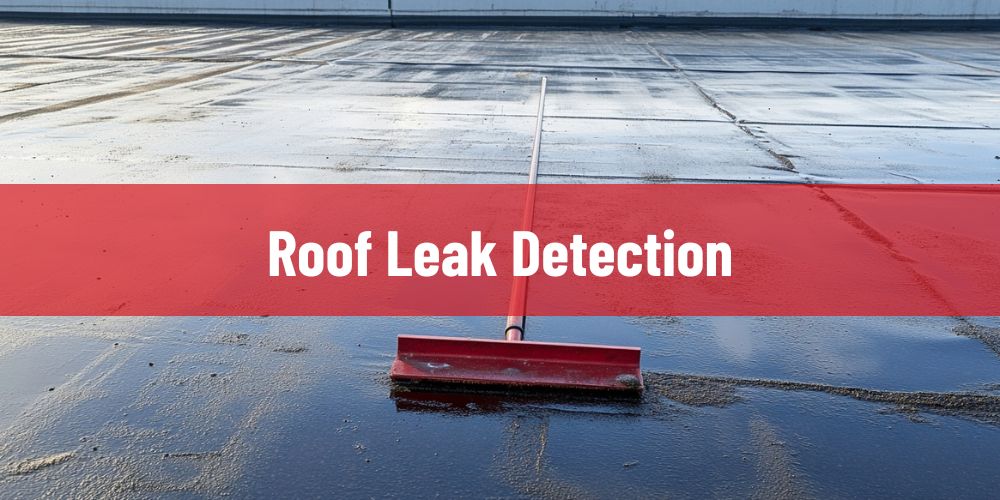
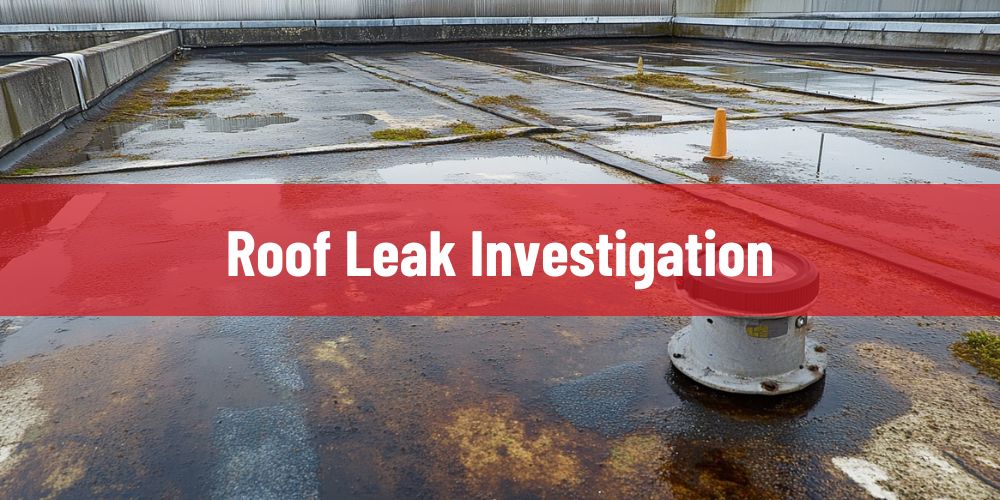
- Roofs, balconies, terraces, gutters, outlets, flashings, parapets, and envelope junctions → allow rainwater to track through decks, insulation, ceiling voids, wall junctions, abutments, and internal finishes → weather exposure, drainage behaviour, defect position, moisture readings, and internal tracking evidence must be assessed together → misdiagnosis causes unnecessary plumbing repair, repeated roof patching, continuing ingress, mould growth, and wider fabric damage.
6. Repeat, Hidden, and Complex Leak Investigation
Repeat, hidden, and complex leak investigation is used where previous checks, patch repairs, sealant replacement, plumbing visits, roof works, drying attempts, or partial access have not resolved the water damage. These cases require a wider diagnostic review because active leakage, historic staining, secondary moisture, and multiple possible sources can overlap inside the same building fabric.
- Unresolved leaks after previous repair attempts → often indicate that the visible defect was treated without proving the active water source → investigation must review repair history, pressure behaviour, moisture pattern, access works, usage conditions, roof exposure, drainage routes, and remaining symptoms → surface-only correction causes repeat callouts, claim frustration, continued deterioration, and loss of confidence in the repair route.
- Historic staining, secondary moisture, and active leakage → overlap within plasterboard, timber, insulation, screeds, cavities, ceilings, floors, and decorative finishes → leak detection must distinguish old damage from current water movement before further access, drying, repair, or reinstatement is agreed → failure to separate moisture states causes unnecessary works, responsibility disputes, delayed reinstatement, and continued uncertainty.
Pinpoint Leak Detection structures each leak detection service around the causal conditions that determine source confirmation: system type, water movement, symptom location, pressure behaviour, access limitation, exposure route, drainage behaviour, previous repair history, and evidence requirement. By matching the diagnostic route to the leak category, building condition, and repair objective, the company helps locate hidden leaks accurately, reduce unnecessary damage, support trace and access decisions, and provide clear next-step evidence for homeowners, landlords, managing agents, commercial property owners, facilities teams, contractors, insurers, and loss adjusters across the UK.
Have a question about leak detection?
How Does Pinpoint Leak Detection Find Hidden Leaks?
Pinpoint Leak Detection finds hidden leaks by following a structured diagnostic sequence that connects the visible symptom to the most likely water source before access, repair, drying, or reinstatement begins. Across UK homes, flats, leasehold buildings, commercial premises, schools, healthcare settings, hospitality buildings, industrial units, managed estates, and insurance-led escape of water claims, hidden leaks are rarely confirmed by appearance alone. Water can move through plasterboard, screeds, joists, insulation, cavities, pipe boxing, risers, suspended ceilings, service ducts, basements, flat roof build-ups, drainage routes, and finished surfaces before staining, mould, pressure loss, warped flooring, or damp patches become visible. Leak detection performance depends on selecting the correct diagnostic method for the water system, building fabric, access constraint, symptom pattern, moisture pathway, and evidence requirement.
The main leak detection methods used by Pinpoint Leak Detection include:
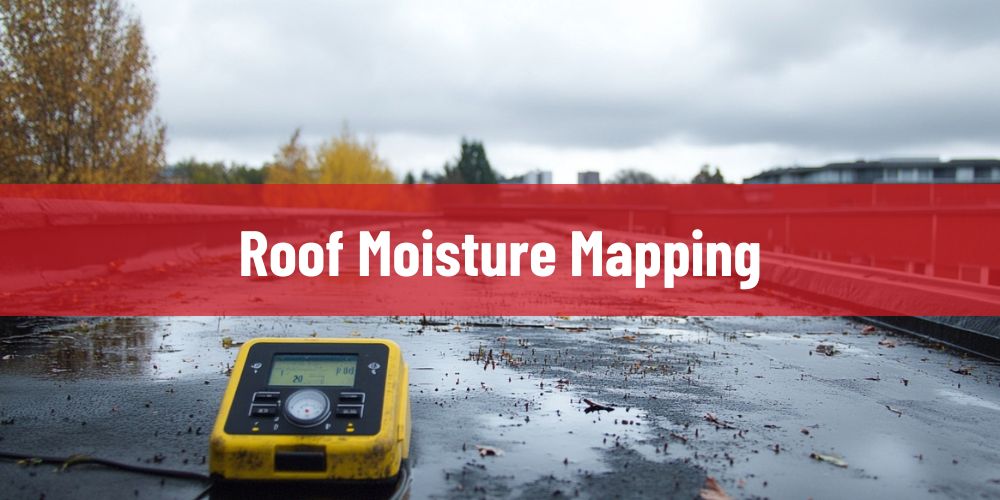
- Moisture mapping and symptom profiling to identify where water has travelled through walls, floors, ceilings, cavities, insulation, screeds, timber, and finished surfaces.
- Pressure testing and system isolation to confirm whether water loss is linked to mains supplies, domestic pipework, central heating circuits, underfloor heating, or another pressurised system.
- Acoustic leak detection to listen for sound patterns produced by escaping water inside concealed pipework, underground supplies, floor voids, wall routes, and service areas.
- Thermal imaging to identify temperature differences associated with heating leaks, wet building fabric, pipe routes, underfloor heating circuits, and moisture-affected areas.
- Tracer gas testing to locate leaks in hidden pipework, underground mains, heating circuits, and inaccessible service routes where water is not visibly escaping.
- Dye testing and usage testing to trace leaks from showers, baths, wet rooms, waste pipes, drainage routes, roof outlets, balconies, terraces, and building envelope junctions.
- Pipe tracing and route confirmation to identify where concealed pipework, service entries, heating runs, mains supplies, and distribution routes are positioned before access is made.
- Drainage, roof, and envelope investigation to separate plumbing leaks from rainwater ingress, drainage defects, waterproofing failure, gutter or outlet problems, and external junction failures.
- Evidence-led reporting to connect source location, moisture movement, access requirement, diagnostic findings, photographic evidence, and recommended repair route for property owners, insurers, loss adjusters, managing agents, and contractors.
Each method performs a different role within the leak detection process. Pinpoint Leak Detection does not treat acoustic testing, thermal imaging, tracer gas, pressure testing, dye testing, pipe tracing, moisture readings, drainage checks, and roof investigation as isolated tools. The diagnostic route is built around how the property is constructed, which water system is active, where the symptom appears, how moisture has moved, what access is available, whether an insurance claim is involved, and what evidence is needed before repair works proceed.
1. Moisture Mapping and Symptom Profiling
Moisture mapping and symptom profiling establish how water has moved through the property before invasive access is considered. This is critical in UK housing stock, flats, commercial interiors, leasehold buildings, older properties, and managed premises where moisture can travel beyond the original leak point through absorbent materials, voids, finishes, junctions, and structural layers.
- Moisture held within plasterboard, timber, screeds, insulation, cavities, ceilings, floors, and wall finishes → creates visible staining away from the original source → moisture mapping must define the wettest zones, moisture gradient, affected materials, and likely direction of travel → weak profiling causes false source assumptions, unnecessary access damage, unresolved damp, and repeated repair attempts.
- Damp symptoms inside UK homes, flats, and commercial premises → appear as stains, mould, warped flooring, blistered paint, swollen skirting, ceiling marks, or localised damp patches → symptom profiling must separate active leakage from historic staining, condensation, residual moisture, roof ingress, and drainage-related moisture → poor symptom interpretation causes wrong trade attendance, delayed repair, and continued uncertainty over the leak source.
2. Pressure Testing and System Isolation
Pressure testing and system isolation confirm whether water loss is connected to a pressurised system such as mains supply pipework, domestic hot or cold feeds, central heating circuits, underfloor heating, manifolds, or concealed distribution pipework. This prevents a hidden heating leak, mains leak, plumbing leak, roof leak, or drainage defect from being treated as the wrong problem.
- Pressurised pipework inside homes, flats, plant rooms, service voids, and commercial buildings → loses water through joints, valves, underground supplies, internal pipe routes, heating loops, or concealed distribution runs → pressure testing must confirm which system is losing pressure before access or repair begins → poor system isolation causes unnecessary pipework removal, wrong repair scope, continued water loss, and repeated contractor visits.
- Central heating systems, boilers, manifolds, and underfloor heating circuits → show failure through pressure drops, repeated top-ups, cold areas, boiler faults, or unexplained dampness → system isolation must distinguish heating leakage from mains water loss, condensation, roof ingress, drainage defects, and historic moisture → missed isolation leads to recurring pressure loss, concealed floor damage, ineffective boiler work, and unresolved heating-system failure.
3. Acoustic Leak Detection
Acoustic leak detection is used where escaping water may create sound through pressurised pipes, underground supplies, buried routes, service voids, walls, floors, or commercial plant areas. It is most valuable when the leak is active, the pipe route can be narrowed, and background noise, building construction, and access conditions can be controlled during testing.
- Escaping water inside pressurised pipework → generates vibration or sound through pipes, fittings, surrounding materials, and adjacent surfaces → acoustic leak detection must correlate sound intensity, pipe route, pressure behaviour, and building background noise to narrow the likely failure zone → poor acoustic interpretation causes false positives, unnecessary excavation, avoidable access works, and missed leak locations.
- Underground mains, service entries, floor voids, and concealed pipe routes → restrict direct visual inspection of the pipe defect → acoustic listening must be combined with pipe tracing, pressure testing, moisture evidence, and site conditions before repair works are targeted → isolated listening without supporting evidence increases the risk of wrong digging, repeated visits, and unresolved supply leakage.
4. Thermal Imaging
Thermal imaging supports leak detection by identifying temperature differences associated with wet materials, heating pipe routes, underfloor heating circuits, concealed moisture, and building fabric affected by water movement. It is a diagnostic aid rather than a standalone proof of source, so thermal patterns must be interpreted alongside pressure behaviour, moisture readings, pipe routing, usage testing, and property conditions.
- Wet building materials and heating pipe routes → can create thermal anomalies across floors, walls, ceilings, screeds, tiles, insulation, and underfloor heating zones → thermal imaging must identify pattern differences that support the suspected leak route → unsupported thermal interpretation causes wrong source assumptions, unnecessary floor removal, and failure to confirm the active leak.
- UK properties with finished floors, tiled bathrooms, underfloor heating, plastered ceilings, and concealed pipework → often hide the leak below surfaces that cannot be opened speculatively → thermal imaging must guide further testing by showing likely moisture spread, pipe position, heating behaviour, or affected areas → weak integration with other tests causes incomplete diagnosis, repeated access attempts, and avoidable reinstatement cost.
5. Tracer Gas Testing
Tracer gas testing is used where a leak is hidden inside pipework, underground supplies, floor build-ups, heating circuits, or inaccessible service routes and cannot be confirmed visually. The test introduces detectable gas into the isolated system so gas movement can indicate the likely escape point, especially where water is not actively appearing at the surface.
- Hidden pipework below floors, inside walls, beneath screeds, underground, or within service routes → may leak without producing a visible water path at the surface → tracer gas testing must use controlled system isolation and gas detection to identify the most likely escape zone → poor test control causes false readings, unnecessary breakout, unresolved pipe failure, and continued water loss.
- Mains supplies, heating circuits, and inaccessible pipe runs → can lose water in areas where acoustic response, thermal evidence, or visual inspection is limited → tracer gas must be interpreted alongside pressure behaviour, pipe route evidence, moisture readings, and building layout → relying on gas detection alone increases mislocation risk, avoidable access damage, and repeated investigation.
6. Dye Testing and Usage Testing
Dye testing and usage testing help trace water movement from showers, baths, wet rooms, toilets, basins, waste pipes, roof outlets, balconies, terraces, gutters, and drainage routes. These methods are useful when leakage is intermittent, linked to use, linked to rainfall, or associated with non-pressurised systems rather than a constant pipework failure.
- Showers, baths, wet rooms, wastes, seals, grout lines, traps, and tile junctions → release water only during use or under specific flow conditions → dye testing and usage testing must connect water movement to the correct sanitaryware, waste route, seal failure, waterproofing defect, or drainage path → wrong usage testing causes repeated sealant repairs, recurring ceiling stains, mould growth, and unresolved bathroom leaks.
- Roof outlets, balconies, terraces, gutters, gullies, and drainage routes → allow water to enter through weather-dependent or flow-dependent pathways → dye testing must separate rainwater ingress, drainage leakage, outlet failure, waterproofing defects, and internal plumbing leaks → weak separation causes unnecessary plumbing work, repeated roof patching, continuing water ingress, and disputed repair responsibility.
7. Pipe Tracing and Route Confirmation
Pipe tracing and route confirmation identify where concealed services are positioned before destructive access, excavation, floor lifting, or wall opening takes place. This is important in older UK properties, altered homes, commercial premises, leasehold buildings, and managed estates where pipe routes may not match drawings, records, or assumptions.
- Concealed water supplies, heating pipes, service entries, manifolds, risers, and distribution routes → may run beneath floors, through walls, behind fitted units, under screeds, across ceilings, or through communal areas → pipe tracing must confirm the likely route before access is planned → poor route confirmation causes unnecessary opening-up, missed pipes, wrong repair locations, and inflated reinstatement cost.
- Buildings with incomplete records, historic alterations, extensions, refurbishments, and mixed-age services → create uncertainty around where pipework, drainage, heating circuits, and mains supplies actually run → route confirmation must align diagnostic findings with building layout, system behaviour, and access constraints → assumption-led investigation causes duplicated works, delayed source confirmation, and avoidable disruption.
8. Drainage, Roof, and Building Envelope Investigation
Drainage, roof, and building envelope investigation is used where water may be entering through non-pressurised systems or external defects rather than leaking from internal pipework. This includes soil stacks, waste pipes, gullies, inspection chambers, flat roofs, pitched roofs, parapets, gutters, outlets, balconies, terraces, flashings, rooflights, abutments, and external wall junctions.
- Drainage systems, waste pipes, soil stacks, gullies, chambers, and below-ground runs → leak intermittently during use, blockage, surcharge, or localised failure → drainage investigation must connect odour, staining, dampness, usage patterns, blockage history, ground moisture, and pipe route evidence to the likely defect → poor drainage assessment causes wrong repair works, recurring damp, hygiene issues, and unnecessary clean-water leak investigation.
- Flat roofs, pitched roofs, gutters, outlets, balconies, terraces, parapets, flashings, rooflights, and envelope junctions → allow rainwater to track through decks, insulation, ceiling voids, wall junctions, and internal finishes → roof and envelope investigation must connect weather exposure, drainage behaviour, defect position, internal moisture evidence, and building fabric pathways → misdiagnosis causes unnecessary plumbing repair, repeated roof patching, continued ingress, mould growth, and wider fabric deterioration.
9. Evidence-Led Reporting and Source Confirmation
Evidence-led reporting turns the leak detection investigation into a usable decision document for homeowners, landlords, managing agents, facilities teams, contractors, insurers, and loss adjusters. The report needs to connect the symptom, suspected source, diagnostic method, affected areas, access requirement, and recommended next step so repair works can proceed with a clear basis.
- Leak investigations involving insurance claims, managed properties, commercial buildings, or contractor repairs → require findings that can be understood by owners, occupiers, insurers, loss adjusters, managing agents, and repair teams → evidence-led reporting must connect test results, moisture readings, photographic evidence, source assessment, access logic, and repair recommendations → weak reporting causes claim delays, repair disputes, unclear responsibility, and poor reinstatement planning.
- Hidden leaks inside finished UK buildings → create risk because the wrong access point can damage floors, ceilings, tiles, fitted units, plaster, decoration, and joinery → source confirmation must justify the most proportionate next step before destructive works begin → incomplete evidence causes unnecessary damage, rejected costs, repeated investigation, and continued uncertainty over the active leak.
Pinpoint Leak Detection uses leak detection methods as part of a connected diagnostic sequence rather than as isolated tests. Moisture mapping identifies how water has moved, pressure testing confirms whether a system is losing water, acoustic testing and tracer gas help narrow hidden pipe defects, thermal imaging supports pattern interpretation, dye testing checks usage-dependent routes, pipe tracing confirms service positions, drainage and roof investigation separate external or non-pressurised sources, and reporting converts the findings into practical evidence. This method-led approach helps locate hidden leaks accurately, reduce unnecessary access damage, support trace and access decisions, and guide proportionate repair across UK homes, flats, commercial premises, managed buildings, insurance claims, and contractor-led works.
Want a price for leak detection?
How Is the Correct Leak Detection Method Chosen?
Pinpoint Leak Detection chooses the correct leak detection method by assessing the water system, visible symptom, moisture pathway, building construction, access risk, occupancy condition, and evidence requirement before testing begins. A hidden leak inside a UK home, flat, commercial premises, leasehold building, managed estate, or insurance claim cannot be diagnosed properly by applying one generic method to every situation. Pressure loss, meter movement, ceiling staining, damp flooring, mould growth, roof ingress, drainage odour, shower leakage, or repeated water damage each points towards a different source category, so the diagnostic route must match the way water is behaving inside the property.
The main factors used to choose the correct leak detection method include:
- Source system, including mains water, domestic pipework, central heating, underfloor heating, bathrooms, showers, drainage, roofs, balconies, terraces, gutters, outlets, and building envelope junctions.
- Visible symptom, including damp patches, ceiling stains, mould growth, pressure loss, meter movement, high water usage, warped flooring, wet skirting, odour, dripping sounds, or recurring water ingress.
- Moisture pathway, including water movement through plasterboard, screeds, timber floors, cavities, insulation, service ducts, risers, suspended ceilings, basements, and finished surfaces.
- Access risk, including whether floors, ceilings, tiles, fitted units, plaster, decoration, joinery, commercial areas, communal spaces, or leasehold boundaries may be affected by opening-up.
- Property context, including occupied homes, rented flats, leasehold buildings, commercial premises, managed estates, schools, healthcare settings, hospitality buildings, industrial units, and insurance-led claims.
- Evidence requirement, including whether the investigation must support repair planning, trace and access, insurer review, loss-adjuster decisions, landlord responsibility, managing-agent records, or contractor instructions.
Each factor changes which diagnostic method is suitable. Pinpoint Leak Detection selects moisture mapping, pressure testing, acoustic listening, thermal imaging, tracer gas, dye testing, pipe tracing, drainage investigation, roof assessment, system isolation, or reporting based on the relationship between the suspected source and the visible evidence. The aim is to confirm the most likely source before destructive access begins, not to rely on assumptions made from the nearest damp mark.
1. Source System and Pressure Behaviour
The first decision is whether the suspected leak belongs to a pressurised water system, a heating circuit, a drainage route, a bathroom or shower assembly, a roof detail, or an external building envelope junction. Each source behaves differently, so the test method must match whether water is escaping under pressure, during use, during rainfall, through waste flow, or through concealed building fabric.
- Pressurised pipework, mains supplies, stop tap areas, service entries, and domestic hot or cold feeds → produce water loss through pressure behaviour, meter movement, continuous leakage, or localised moisture patterns → pressure testing, acoustic listening, tracer gas, pipe tracing, and system isolation must confirm the active supply route before access or excavation begins → wrong method selection causes unnecessary digging, continued water loss, repeated attendance, inflated bills, and unresolved supply leakage.
- Central heating circuits, boilers, manifolds, radiators, and underfloor heating loops → reveal failure through pressure drops, repeated top-ups, cold areas, boiler faults, or moisture near hidden heating routes → circuit isolation, pressure testing, thermal imaging, tracer gas, and route confirmation must separate heating leakage from mains water loss, drainage failure, roof ingress, and condensation → poor source separation causes ineffective boiler work, concealed moisture, floor damage, recurring pressure loss, and continued system failure.
2. Symptom Location and Moisture Pathway
The visible position of water damage rarely proves where the leak started. In UK homes, flats, commercial interiors, older properties, and managed buildings, water can travel through absorbent materials, ceiling voids, service ducts, floor build-ups, cavities, insulation, risers, and adjoining rooms before the symptom becomes visible.
- Ceiling stains, damp patches, mould growth, swollen skirting, warped flooring, blistered paint, and localised moisture → may appear away from the true leak source after water has migrated through plasterboard, timber, screed, cavities, insulation, and service voids → moisture mapping, symptom profiling, thermal imaging, and pipe route evidence must define the direction of travel before repair works are targeted → weak pathway assessment causes false source assumptions, unnecessary access damage, unresolved damp, and repeated repair attempts.
- Water damage below bathrooms, kitchens, plant areas, roofs, balconies, or upper-floor pipe routes → can originate from supply pipes, waste connections, failed seals, drainage defects, waterproofing breakdown, roof ingress, or historic moisture → leak detection must compare symptom location with system behaviour, usage patterns, pressure results, dye pathways, and external exposure evidence → isolated visual inspection leads to wrong trade attendance, delayed repair, recurring staining, and continued uncertainty over the active source.
3. Building Type and Access Risk
Method choice changes when the investigation involves finished domestic interiors, occupied flats, leasehold buildings, commercial premises, schools, healthcare buildings, hospitality sites, industrial units, communal risers, or managed estates. The greater the disruption or reinstatement risk, the more important it is to narrow the source before walls, floors, ceilings, tiles, fitted units, or commercial areas are opened.
- Finished homes, rented flats, and leasehold interiors → contain tiles, flooring, plaster, fitted kitchens, bathrooms, joinery, decoration, and tenant-occupied spaces that may be costly or disruptive to open → leak detection must prioritise non-invasive testing, moisture profiling, pipe tracing, system isolation, and access logic before destructive work is considered → poor access control increases reinstatement cost, tenant complaints, unnecessary damage, and responsibility disputes.
- Commercial and managed buildings → combine occupied areas, shared services, plant rooms, risers, suspended ceilings, maintenance records, operational deadlines, health and safety requirements, and multiple stakeholders → method selection must confirm the source while protecting business continuity, access planning, evidence capture, and repair sequencing → weak diagnostic planning creates downtime, duplicate callouts, disrupted occupants, damaged finishes, and avoidable operational cost.
4. Insurance, Trace and Access, and Evidence Requirement
Where an insurance claim, trace and access request, loss-adjuster review, landlord dispute, managing-agent record, or contractor repair instruction is involved, the chosen method must produce usable evidence as well as a suspected source. The investigation needs to show why a leak is likely, where access is justified, what materials are affected, and what repair route is proportionate.
- Trace and access claims for escape of water → require evidence connecting source location, moisture spread, affected materials, justified access point, and repair scope → leak detection must combine diagnostic findings, moisture readings, photographs, test results, source assessment, and access recommendations into a defensible report → weak evidence delays claim handling, triggers insurer queries, reduces cost recovery, and creates reinstatement disputes.
- Landlord-managed, leasehold, commercial, and contractor-led repairs → require findings that separate private pipework, communal systems, landlord services, tenant areas, roof defects, drainage routes, and historic moisture → the chosen method must support responsibility allocation and repair sequencing before works proceed → vague attribution causes delayed approvals, repeated complaints, disputed liability, duplicated repairs, and unresolved water damage.
5. Previous Repair History and Complex Leak Conditions
Where earlier checks, plumbing repairs, roof patching, sealant works, drying attempts, partial access, or visual inspections have not resolved the problem, method choice must account for previous assumptions. Repeat leaks often involve overlapping moisture patterns, historic staining, intermittent water movement, multiple possible sources, or repairs that treated the visible defect without confirming the active cause.
- Unresolved leaks after previous repair attempts → often indicate that the wrong system, wrong access point, or wrong moisture pathway was assumed → leak detection must review repair history, pressure behaviour, moisture pattern, usage conditions, roof exposure, drainage routes, access records, and remaining symptoms before selecting the next test sequence → repeating the same assumptions causes further callouts, claim frustration, continued deterioration, and loss of confidence in the repair route.
- Historic staining, residual moisture, secondary damp, and active leakage → can overlap inside plasterboard, timber, insulation, screeds, cavities, floors, ceilings, and decorative finishes → method selection must distinguish current water movement from old damage before drying, access, repair, or reinstatement is agreed → failure to separate moisture states causes unnecessary works, responsibility disputes, delayed reinstatement, and continued uncertainty.
Pinpoint Leak Detection chooses the correct leak detection method by linking the suspected source, visible symptom, moisture pathway, property context, access risk, and evidence requirement into one diagnostic route. Mains leaks, heating leaks, bathroom leaks, roof leaks, drainage leaks, commercial leaks, trace and access claims, and unresolved water damage each require different testing logic. By selecting the method before destructive works begin, Pinpoint Leak Detection helps confirm the source more accurately, reduce unnecessary access damage, support insurance and repair decisions, and provide clear next-step evidence for homeowners, landlords, managing agents, facilities teams, commercial property owners, contractors, insurers, and loss adjusters across the UK.
Need more information about leak detection?
What Are the Signs You Need Leak Detection?
Leak detection is needed when a UK property shows water-related symptoms that cannot be confidently connected to a visible, accessible, or already confirmed source. Pinpoint Leak Detection investigates homes, flats, leasehold buildings, rented properties, commercial premises, managed estates, insurance claims, and contractor-led repair works where damp marks, pressure loss, meter movement, mould, odour, warped finishes, recurring stains, or weather-linked water ingress suggest that moisture is travelling through the building before the cause is visible. The key issue is not the surface mark alone. The key issue is whether the symptom can be linked to a water system, moisture pathway, building fabric condition, access risk, and repair route before unnecessary opening-up begins.
The main signs that a property may need leak detection include:
- Visible damp, staining, mould, odour, bubbling paint, swollen skirting, damaged plaster, warped flooring, or recurring surface deterioration.
- Boiler pressure loss, repeated heating top-ups, underfloor heating pressure drops, meter movement, high water bills, reduced pressure, or unexplained water usage.
- Bathroom, shower, kitchen, wet room, waste pipe, soil stack, gully, or drainage symptoms that appear during use or return after local repairs.
- Rainfall-related water ingress around flat roofs, pitched roofs, rooflights, gutters, outlets, balconies, terraces, parapets, flashings, or external junctions.
- Repeat, intermittent, or unresolved water damage after plumbing visits, roof patching, sealant works, drying, decorating, partial access, or previous repairs.
Each sign must be interpreted through source behaviour rather than appearance alone. A ceiling stain may come from a bathroom, heating pipe, roof junction, drainage route, or historic leak. A pressure drop may indicate a sealed heating leak rather than a mains supply leak. A damp floor may relate to underfloor pipework, drainage failure, external ingress, or moisture migrating from another room. Pinpoint Leak Detection assesses the symptom pattern, property type, system behaviour, moisture spread, access limitation, weather exposure, drainage context, previous repair history, and evidence requirement before selecting the appropriate leak detection route.
1. Visible Damp, Staining, Mould, and Surface Damage
Visible damp, staining, mould, odour, bubbling paint, damaged plaster, swollen skirting, and warped flooring are common leak warning signs in UK homes, flats, commercial premises, leasehold buildings, and managed properties. These symptoms often appear after water has travelled through hidden building layers, which means the visible mark should be treated as evidence of moisture movement rather than proof of the leak location.
- Ceiling stains, damp wall patches, swollen skirting, damaged plaster, and warped flooring → form after moisture has moved through plasterboard, timber, screeds, insulation, cavities, joists, floor build-ups, or service voids → leak detection must map the moisture gradient and connect the visible damage to the most likely active source → assumption-led repair causes unnecessary access damage, recurring stains, unresolved damp, and avoidable reinstatement cost.
- Mould growth, musty odour, bubbling paint, peeling decoration, and repeated surface deterioration → indicate that moisture may be trapped inside finishes, voids, timber, insulation, wall/floor junctions, or concealed pipe zones → leak detection must separate active leakage from condensation, historic staining, residual moisture, ventilation issues, roof ingress, and drainage-related damp → poor interpretation leads to wrong trade attendance, repeated decorating, continuing mould risk, and delayed source confirmation.
2. Pressure Loss, Meter Movement, and Water Usage Changes
Pressure loss and water usage changes are stronger technical indicators because they suggest that a pressurised system may be losing water. In UK properties, these signs can involve boilers, central heating circuits, underfloor heating, manifolds, radiators, incoming mains supplies, underground service pipes, stop tap areas, or concealed distribution pipework.
- Boiler pressure loss, repeated central heating top-ups, underfloor heating pressure drops, cold areas, or recurring heating faults → suggest that water may be escaping from a sealed heating circuit below floors, within screeds, behind walls, near manifolds, or inside hidden pipe loops → leak detection must isolate the heating system and test pressure behaviour, thermal anomalies, tracer gas movement, acoustic response, and route evidence → missed diagnosis causes recurring pressure loss, ineffective boiler work, concealed moisture, floor damage, and prolonged heating-system failure.
- Water meter movement, high water bills, reduced pressure, saturated ground, damp near stop taps, or unexplained usage → suggest that a mains supply or pressure-fed pipe may be leaking below ground, beneath floors, at a service entry, or inside concealed distribution pipework → leak detection must connect meter behaviour, pressure readings, pipe route evidence, acoustic response, tracer gas, and moisture signs to the correct supply route → weak source confirmation causes unnecessary excavation, continued water loss, inflated bills, repeated attendance, and unresolved supply leakage.
3. Bathroom, Shower, Kitchen, and Drainage Symptoms
Bathroom, shower, kitchen, wet room, and drainage symptoms are often usage-dependent, meaning the leak may only appear when a shower runs, a bath drains, a toilet flushes, an appliance discharges, or a waste route is under load. These areas contain multiple possible leak sources in close proximity, including pressurised supplies, wastes, traps, seals, tile junctions, grout lines, waterproofing layers, appliance connections, soil stacks, gullies, and concealed drainage runs.
- Ceiling marks below bathrooms, showers, wet rooms, kitchens, or utility rooms → may originate from supply pipes, waste connections, traps, failed seals, tray movement, grout defects, tile junctions, appliance connections, or waterproofing breakdown → leak detection must test usage patterns, supply isolation, drainage behaviour, dye movement, and moisture distribution together → surface-level repair causes repeated sealant works, recurring ceiling stains, unresolved damp, and avoidable ceiling or floor damage.
- Odour, dampness near waste routes, repeated blockages, staining around gullies, floor moisture, soil stack concerns, or external saturation → may indicate leakage from waste pipes, soil stacks, traps, gullies, inspection chambers, concealed drainage routes, or below-ground drainage → leak detection must connect drainage behaviour, usage timing, blockage history, pipe route evidence, odour pattern, and moisture position to the likely defect → poor drainage assessment leaves intermittent leakage unresolved and causes recurring damp, hygiene concerns, wrong excavation, and unnecessary clean-water investigation.
4. Roof, Rainwater, and Building Envelope Water Ingress
Rainfall-related water ingress requires different diagnostic logic from internal plumbing leakage. Water may enter through flat roofs, pitched roofs, rooflights, parapets, gutters, outlets, flashings, balconies, terraces, abutments, external wall junctions, or envelope defects, then track through roof build-ups, insulation, ceiling voids, masonry junctions, and internal finishes before appearing indoors.
- Water ingress after rainfall, roofline staining, damp near gutters, or ceiling marks below flat roofs, pitched roofs, rooflights, parapets, balconies, terraces, outlets, flashings, or abutments → suggest that rainwater may be entering through an external detail rather than a pressurised pipe → leak detection must connect weather exposure, drainage behaviour, defect position, internal moisture evidence, and tracking routes → misdiagnosis causes unnecessary plumbing work, repeated roof patching, continuing ingress, mould growth, and wider fabric deterioration.
- Ceiling or wall stains near external edges, balconies, roof junctions, gutter lines, parapets, or façade interfaces → may appear away from the external defect after water has travelled through decks, cavities, insulation, wall junctions, or floor build-ups → leak detection must separate roof ingress, rainwater tracking, condensation, drainage defects, pipework leaks, and historic moisture → weak source separation creates repair disputes, repeated patching, delayed reinstatement, and unresolved water entry.
5. Repeat, Intermittent, or Unresolved Water Damage
Repeat or intermittent water damage is one of the strongest signs that leak detection is needed because it suggests that previous repair work may have treated the visible symptom rather than the active source. These cases often involve historic staining, residual moisture, failed local repairs, multiple possible sources, incomplete access, intermittent use, weather-dependent water entry, or moisture that has moved far from the original defect.
- Water damage returning after plumbing visits, roof patching, sealant replacement, drying, decorating, appliance checks, or partial opening-up → suggests that the active source, system behaviour, or moisture pathway was not proven before repair → leak detection must review repair history, remaining symptoms, pressure behaviour, usage timing, roof exposure, drainage routes, access records, and current moisture readings → repeating the same repair route causes additional callouts, insurance frustration, unnecessary reinstatement, and continuing property damage.
- Intermittent leaks, historic staining, residual moisture, and active water movement → can overlap inside plasterboard, timber, insulation, screeds, cavities, ceilings, floors, decorative finishes, and concealed service zones → leak detection must distinguish current leakage from old damage before drying, decoration, access, repair, or reinstatement is agreed → failure to separate moisture states causes unnecessary works, responsibility disputes, delayed repair decisions, and continued uncertainty.
Pinpoint Leak Detection treats leak warning signs as source evidence, not isolated surface defects. Damp patches, ceiling stains, mould, odour, warped floors, boiler pressure loss, meter movement, high water bills, bathroom leaks, drainage symptoms, rainfall-related ingress, and failed previous repairs each point towards a different source system, moisture pathway, and diagnostic method. By interpreting the sign in relation to UK building type, pipework behaviour, pressure evidence, access risk, weather exposure, drainage use, previous repair history, and insurance or repair requirements, Pinpoint Leak Detection helps homeowners, landlords, managing agents, commercial property owners, facilities teams, insurers, loss adjusters, and contractors decide when leak detection is needed before unnecessary damage or cost escalation occurs.
Why Choose Pinpoint Leak Detection for Leak Detection?
Pinpoint Leak Detection is chosen when water damage needs a confirmed source, not another assumed repair. Across UK homes, flats, rented properties, leasehold buildings, commercial premises, managed estates, insurance claims, and contractor-led repair works, the visible sign of a leak may be several metres away from the active defect. The value of a leak detection company is measured by how accurately it links the symptom to the source, how much unnecessary damage it prevents, how clearly it supports repair decisions, and how well its findings can be used by property owners, landlords, managing agents, insurers, loss adjusters, facilities teams, and contractors.
The main reasons clients choose Pinpoint Leak Detection include:
- Source-led diagnosis before floors, ceilings, walls, tiles, fitted units, or commercial areas are opened.
- Low-damage investigation for finished UK properties where access, reinstatement, tenant use, or business continuity matters.
- Clear evidence for trace and access claims, insurance review, landlord decisions, managing-agent records, and contractor repair planning.
- Practical repair direction for hidden leaks, repeated leaks, pressure loss, water ingress, drainage symptoms, and unresolved moisture problems.
Pinpoint Leak Detection is not selected because every leak requires the same test. The company is selected because different leak conditions require different diagnostic judgement. A boiler losing pressure, a moving water meter, a ceiling stain below a bathroom, a damp floor near a service route, a roof mark after rainfall, and a recurring stain after previous repairs all need different evidence before the next repair decision is made.
1. Source-Led Diagnosis Before Access Works
Source-led diagnosis protects the property from being opened in the wrong place. Pinpoint Leak Detection assesses the relationship between the visible symptom, likely water source, building fabric, pressure behaviour, moisture spread, and access route before destructive works are considered.
- Visible damp, ceiling staining, mould, warped flooring, or surface deterioration → may be the end point of water travelling through cavities, plasterboard, insulation, joists, screeds, service voids, or adjoining rooms → Pinpoint Leak Detection links the symptom to source evidence before access works are planned → assumption-led opening-up creates unnecessary damage, repeat attendance, unresolved damp, and avoidable reinstatement cost.
- Hidden pipe defects, heating leaks, roof ingress, drainage routes, and bathroom leaks → can produce similar internal symptoms even though they require different repairs → Pinpoint Leak Detection compares system behaviour, moisture distribution, usage timing, weather exposure, and diagnostic findings before identifying the likely route → weak source judgement sends the wrong trade, delays repair, and leaves the active leak unresolved.
2. Low-Damage Investigation for Finished UK Properties
Low-damage investigation matters because many UK properties contain finished surfaces, occupied rooms, fitted furniture, tiled bathrooms, decorated ceilings, commercial interiors, communal spaces, and leasehold boundaries that should not be disturbed without a clear reason. Pinpoint Leak Detection uses testing to narrow the likely failure zone before access is recommended.
- Finished homes, flats, and high-use interiors → include tiles, plaster, flooring, joinery, fitted units, sanitaryware, decoration, and floor coverings that are costly to disturb → Pinpoint Leak Detection uses non-invasive testing to reduce speculative access before walls, floors, or ceilings are opened → uncontrolled investigation increases reinstatement cost, disruption, tenant complaints, and avoidable damage to finished areas.
- Commercial premises, managed buildings, and occupied leasehold properties → involve trading hours, shared services, communal risers, access limits, health and safety, responsibility boundaries, and multiple stakeholders → Pinpoint Leak Detection narrows the leak source while protecting operational use and access planning → invasive-first investigation creates downtime, duplicated visits, complaints, liability disputes, and avoidable operational cost.
3. Clear Evidence for Insurance, Landlords, and Repair Teams
Clear evidence is critical where a leak investigation affects an insurance claim, trace and access decision, landlord instruction, leasehold responsibility, facilities record, or contractor repair scope. Pinpoint Leak Detection structures findings so the suspected source, affected areas, access logic, and next repair step can be understood by the people responsible for approving or completing the work.
- Trace and access claims, insurer reviews, and loss-adjuster decisions → require more than a verbal assumption about where water is coming from → Pinpoint Leak Detection records diagnostic findings, moisture evidence, test outcomes, photographs, suspected source, access reasoning, and practical recommendations → unclear reporting delays claim handling, weakens cost recovery, creates reinstatement disputes, and slows repair approval.
- Landlords, managing agents, facilities teams, and contractors → need findings that separate private pipework, communal systems, roof defects, drainage routes, tenant areas, historic moisture, and active leakage → Pinpoint Leak Detection turns the investigation into a usable repair record → vague attribution causes responsibility confusion, duplicated works, delayed access, repeat complaints, and unresolved water damage.
4. Better Repair Direction for Complex or Repeated Leaks
Repeated leaks often become expensive because earlier works treated the visible mark instead of the active cause. Pinpoint Leak Detection is chosen when previous plumbing visits, sealant work, roof patching, drying, decorating, partial access, or general repairs have not stopped the water damage.
- Leaks returning after previous repairs → suggest that the original repair may not have confirmed the active source, system behaviour, or moisture pathway → Pinpoint Leak Detection reviews repair history, current symptoms, pressure behaviour, usage timing, roof exposure, drainage context, and access records → repeating unproven repairs increases cost, frustration, property damage, and insurance uncertainty.
- Complex moisture problems inside UK buildings → may combine historic staining, residual moisture, intermittent leakage, condensation, drainage issues, roof ingress, and concealed pipework defects → Pinpoint Leak Detection separates active leakage from old or secondary moisture before further repair or reinstatement proceeds → poor separation leads to unnecessary works, disputed responsibility, delayed drying, and continued uncertainty.
Pinpoint Leak Detection is chosen for leak detection because the company gives property owners, landlords, managing agents, facilities teams, contractors, insurers, and loss adjusters a clearer route from water damage to source confirmation. By prioritising source-led diagnosis, low-damage investigation, usable evidence, and practical repair direction, Pinpoint Leak Detection helps reduce unnecessary access works, repeated repairs, claim friction, operational disruption, and avoidable building-fabric damage across UK homes, flats, commercial premises, leasehold buildings, managed estates, and insurance-led leak investigations.
When Should You Contact Pinpoint Leak Detection?
A homeowner, landlord, managing agent, facilities manager, commercial property owner, insurer, loss adjuster, contractor, or tenant-side maintenance team should contact Pinpoint Leak Detection when water damage, pressure loss, unexplained moisture, suspected escape of water, roof ingress, drainage concern, or recurring damp requires a controlled leak detection assessment before access, repair, drying, or reinstatement begins. Leak problems across UK homes, flats, leasehold buildings, rented properties, commercial premises, apartment blocks, managed estates, healthcare buildings, hospitality sites, industrial units, and insurance-led claims are rarely defined by one surface mark alone. They often develop through combined conditions such as concealed pipework failure, central heating pressure loss, mains water leakage, failed bathroom seals, hidden waste defects, roof junction weakness, drainage movement, moisture trapped in building fabric, previous incomplete repairs, or water travelling through ceilings, floors, cavities, service voids, plasterboard, insulation, screeds, and finished interiors. Left unresolved, a small stain, moving water meter, boiler pressure drop, damp skirting line, mould patch, ceiling mark, musty odour, wet floor, or repeated bathroom leak can develop into wider property damage, including saturated materials, mould growth, timber decay risk, damaged plaster, lifted flooring, electrical concern, tenant complaints, claim delays, disputed repair scope, and increased reinstatement cost. Pinpoint Leak Detection evaluates leak symptoms as part of a complete source-confirmation process, assessing moisture pattern, pressure behaviour, pipe route evidence, system isolation, acoustic response, thermal anomalies, tracer gas movement, dye pathways, drainage behaviour, roof or envelope exposure, access requirements, previous repair history, and insurance or contractor evidence needs. This allows the correct diagnostic route to be defined before destructive works proceed, whether the property requires domestic leak detection, commercial leak detection, trace and access investigation, central heating leak detection, mains water leak detection, underfloor leak tracing, bathroom or shower leak diagnosis, roof leak investigation, drainage leak testing, repeat leak review, or complex moisture-source separation. Contacting Pinpoint Leak Detection at the point of early staining, unexplained damp, recurring mould, boiler pressure loss, water meter movement, high water bills, rainfall-related ingress, tenant-reported leaks, failed previous repairs, insurer evidence requests, or uncertainty over the source helps prevent avoidable escalation. Early leak detection reduces the risk of unnecessary opening-up, repeated contractor visits, misdiagnosed repairs, unresolved water movement, claim friction, operational disruption, responsibility disputes, hidden fabric damage, and higher long-term reinstatement costs. If your property involves a suspected water leak, escape of water claim, hidden pipe defect, heating-system pressure loss, damp ceiling, wet floor, bathroom leak, roof ingress, drainage issue, commercial leak, managed-building water damage, or unresolved moisture problem anywhere in the UK, contact Pinpoint Leak Detection to define the next step based on the symptom pattern, suspected source, access risk, evidence requirement, and repair pathway.